 Call us now:


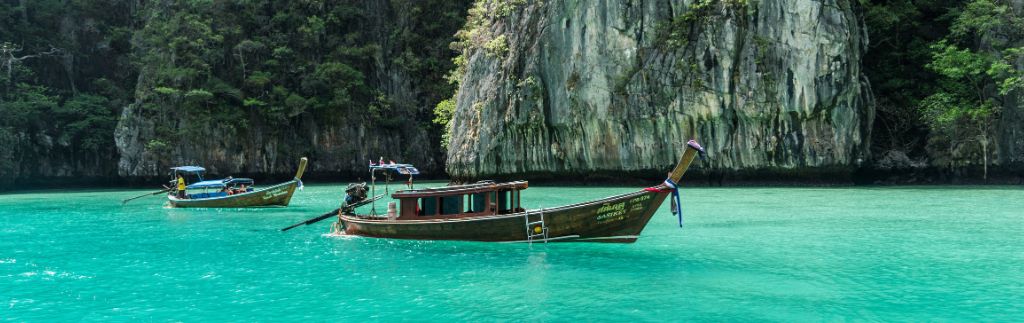
Why is retirement in Phuket a life project that must comply with a strict legal framework?
Retirement in Phuket attracts many foreign nationals seeking a high quality of life. However, settling in Thailand long-term is not just a personal choice; it involves legal requirements related to immigration, taxation, and asset management.
The right to reside in Thailand during retirement is governed by visa categories under the Immigration Act B.E. 2522 (1979). Retirees must meet specific requirements concerning age, financial resources, health insurance, and intended length of stay. Annual visa extensions and 90-day reporting are also necessary.
Under the Revenue Code, individuals staying in Thailand for over 180 days a year may become tax residents, which can result in the taxation of certain income, including foreign-source income. Early analysis of a retiree’s financial situation is essential.
Retiring in Phuket also requires compliance with Thai property and inheritance laws. The Land Code Act B.E. 2497 (1954) limits land ownership by foreigners, while the Civil and Commercial Code governs inheritance. Understanding these regulations is vital to securing long-term residency.
At Benoit & Partners, we guide you through the legal process of retiring in Thailand, particularly in Phuket. Whether you’re planning your retirement or aiming to secure long-term residency, we assist with visa options, legal requirements, and documentation. We ensure compliance with Thai immigration laws, allowing you to enjoy your retirement while we handle the legal complexities.
This article outlines the key legal and administrative considerations for retiring in Phuket, ensuring your relocation complies with Thai law and remains secure over time.
Get expert legal guidance.
Table of Contents
Why does retirement in Phuket require legal preparation in advance?
Retirement in Phuket cannot be considered a simple extension of tourist stays. In Thailand, there is no automatic right to permanent residence for foreign retirees. Any long-term settlement is based on a specific legal status, issued under certain conditions and subject to regular checks.
Insufficient preparation exposes you to real risks. The refusal of a visa extension, the loss of a local bank account, or the inability to renew health insurance can jeopardize your entire retirement plan in Phuket. In practice, many of the difficulties retirees encounter stem from choices made before they even arrive in the country, without a comprehensive understanding of the legal constraints.
Furthermore, retirement in Phuket involves constant interaction between immigration law, tax law, and property law. These areas must be considered together. A decision made in one area can have unexpected legal effects in another, particularly in tax or inheritance matters.
Which visa actually allows for long-term retirement in Phuket?
The choice of visa determines whether retiring in Phuket is feasible. Thailand strictly distinguishes between short-stay visas and those allowing permanent residence. Each retirement visa has its own legal rationale and specific obligations.
The Non-Immigrant O (Retirement) Visa
The Non-Immigrant O – Retirement visa is the most common solution for retirement in Phuket. It is available to people aged 50 or over and allows a one-year stay, renewable.
This visa is subject to strict financial conditions. Retirees must demonstrate sufficient resources, either through a bank deposit in Thailand, a monthly pension, or a combination of both. The funds must be available and justified in accordance with a specific schedule.
The Non-Immigrant O visa requires regular administrative follow-up. Retirees must report their presence every 90 days, renew their visa every year, and apply for a re-entry permit if they leave the country.
The Non-Immigrant O-A visa
The Non-Immigrant O-A visa is also intended for people aged 50 and over who wish to retire in Phuket. It allows for a renewable one-year stay, but with stricter requirements.
The main specific feature of this visa concerns health insurance. The authorities require minimum compulsory coverage, including hospitalization and certain medical care. Checks are strict and frequent.
This visa may be suitable for retirees who already have solid international insurance. In practice, it is more restrictive than the classic O visa.
The Non-Immigrant O-X visa
The Non-Immigrant O-X visa offers a long-stay solution for retirement in Phuket. It allows for a five-year stay, renewable once, for a total duration of up to ten years.
This visa imposes high financial requirements, including a substantial bank deposit in Thailand. The health insurance requirements are also stricter than for other retirement visas.
Due to these requirements, the O-X visa is intended for a limited number of retirees with substantial assets who are seeking long-term stability.
The LTR (Long-Term Resident) visa
The LTR visa is a modern alternative for retirement in Phuket, intended for retirees with high incomes or significant assets. It allows for a stay of up to ten years.
The eligibility requirements are significantly higher than for traditional retirement visas. They relate to income level, asset value, and health coverage.
In return, the LTR visa offers greater legal stability and reduces certain recurring administrative obligations, making it an attractive option for certain profiles.
What financial conditions must be met to retire in Phuket?
The Thai authorities require anyone wishing to retire in Phuket to demonstrate sufficient financial capacity. This requirement is intended to ensure that retirees can support themselves without working in Thailand.
Financial requirements can take several forms: a bank deposit in a Thai account, a monthly pension, or a combination of both. These resources must be stable, traceable, and duly justified by official documents. Checks are particularly strict during annual renewals.
Failure to anticipate these requirements is one of the most common reasons for the refusal of an extension of stay. Retirement in Phuket, therefore, requires rigorous financial planning from the outset.
What health insurance is required for retirement in Phuket?
Health coverage is a central element of any retirement in Phuket. Depending on the type of visa applied for, the authorities impose minimum coverage requirements, including hospitalization and certain medical care.
Insurance contracts must meet specific criteria regarding both coverage limits and duration. Exclusions, deductibles, or age limits may result in the rejection of an application, even if the retiree has sufficient financial resources.
In the context of retirement in Phuket, health insurance is therefore not merely a formality but a key element in determining the right to reside.
Get expert legal guidance.
What administrative obligations must be met once settled in Phuket?
Once you have retired to Phuket, it is essential to comply with administrative obligations. In particular, retirees must renew their visas annually, report their presence every 90 days, and apply for a re-entry permit if they leave the country temporarily.
Failure to comply with these formalities may result in immediate penalties, ranging from fines to loss of the right to stay. Local authorities, particularly in Phuket, apply these rules rigorously, without distinction based on age or personal circumstances.
When does retirement in Phuket lead to tax residency in Thailand?
Retirement in Phuket can have significant tax implications. Under the Revenue Code, a person is likely to become a Thai tax resident if they stay in Thailand for more than 180 days in a calendar year.
This qualification may result in the taxation of certain income, including pensions or foreign-source income, depending on its nature and the terms of its transfer to Thailand. A poorly planned retirement in Phuket can thus generate unexpected obligations or even double taxation.
How can you legally find accommodation for retirement in Phuket without exposing your assets?
Housing is a key issue for any retirement in Phuket. Under Thai law, foreigners cannot own freehold land. This prohibition stems from the Land Code Act B.E. 2497 (1954) and, in practice, excludes the direct purchase of a house with its land.
As a result, foreign retirees cannot buy a villa or house in Phuket as they would in Europe. Arrangements based on nominees or artificial structures are illegal and expose buyers to a high risk of losing the property.
Condominiums: a form of ownership permitted under certain conditions
Purchasing a condominium is the safest option for retirement in Phuket. The law allows foreigners to buy an apartment, provided the building’s foreign co-ownership quota is not exceeded.
This solution offers real legal security, subject to verification of the foreign quota, the status of the co-ownership, and compliance with the transfer of funds from abroad. These checks are essential to avoid any delays during registration.
The 30-year lease: the alternative for houses and villas
To live in a house, the most common solution is a long-term 30-year lease. This contract allows retirees to use the property without owning it.
The lease must be registered with the Land Department to be enforceable. Renewal clauses are possible, but they never automatically guarantee an extension beyond the first 30 years.
A key choice for retirement in Phuket
The type of accommodation directly affects the retiree’s financial security. Retirement in Phuket, therefore, relies on solutions that comply with Thai law, combined with clear and properly registered contracts.
Our firm assists foreign retirees in purchasing condominiums in Phuket, setting up long-term leases, and securing the legal status of their real estate investments to ensure a retirement in Phuket that complies with Thai law and is protected in the long term.
How can you secure your personal and estate situation when retiring in Phuket?
Retirement in Phuket must also include consideration of personal protection and asset transfers. The Thai Civil and Commercial Code strictly regulates inheritance and the validity of wills.
In the absence of appropriate provisions, heirs may face lengthy, complex procedures. Drafting a will in accordance with Thai law often avoids major banking and administrative obstacles.
Conclusion
Retirement in Phuket offers a particularly attractive living environment, supported by a privileged natural setting, modern infrastructure, and a recognized quality of life. However, this attractiveness should not obscure an essential reality: retirement in Phuket relies on a delicate legal balance that can quickly become fragile if not properly prepared for. The right of residence, financial conditions, health insurance, taxation, housing, and the transfer of assets form a coherent whole, in which each element directly influences the others.
A successful move, therefore, involves much more than simply choosing a destination. It requires a clear and up-to-date understanding of the rules applicable in Thailand, as well as rigorous anticipation of long-term obligations. Administrative requirements, regular checks, and changes in the regulatory framework require constant vigilance, particularly for foreign retirees seeking to settle long-term.
In practice, a truly peaceful and sustainable retirement in Phuket depends on legal compliance from the outset of the project. A structured approach not only avoids common mistakes but also secures your personal, financial, and family situation in the long term. In Thailand, legal security remains the essential condition for a peaceful retirement in Phuket.
If you need further information, you may schedule an appointment with one of our lawyers.
FAQ
Most retirement visas are available to those aged 50 and over.
No. A tourist visa does not allow you to settle permanently in Thailand in accordance with Thai law.
The Non-Immigrant O (Retirement) visa is the most commonly used by foreign retirees.
Yes. A Thai bank account is generally required to prove that you have the necessary funds.
Yes. Depending on the type of visa, health insurance that meets legal requirements is mandatory.
A person can become a tax resident if they stay in Thailand for more than 180 days per year.
No. Foreigners cannot own land, but there are legal alternatives.
The most common options are buying a condominium or a 30-year long-term lease.
Yes. You must report your presence every 90 days.
Yes. A will that complies with Thai law allows you to secure your estate and avoid any complications.